Key takeaways
- Inspect temperature-sensitive shipments as soon as they arrive; packages left on a loading dock are a common and avoidable source of temperature excursions.
- Read temperature indicators and data loggers before removing the contents, and record exactly what they show.
- Log each receipt with lot number, condition, indicator status and storage location so the material can be traced to its certificate of analysis.
- Quarantine is a status, not a location: material under evaluation should still be stored at its required temperature, clearly labeled and segregated.
- Document excursions factually, keep the packaging and logger data, and contact the supplier before deciding on disposition.
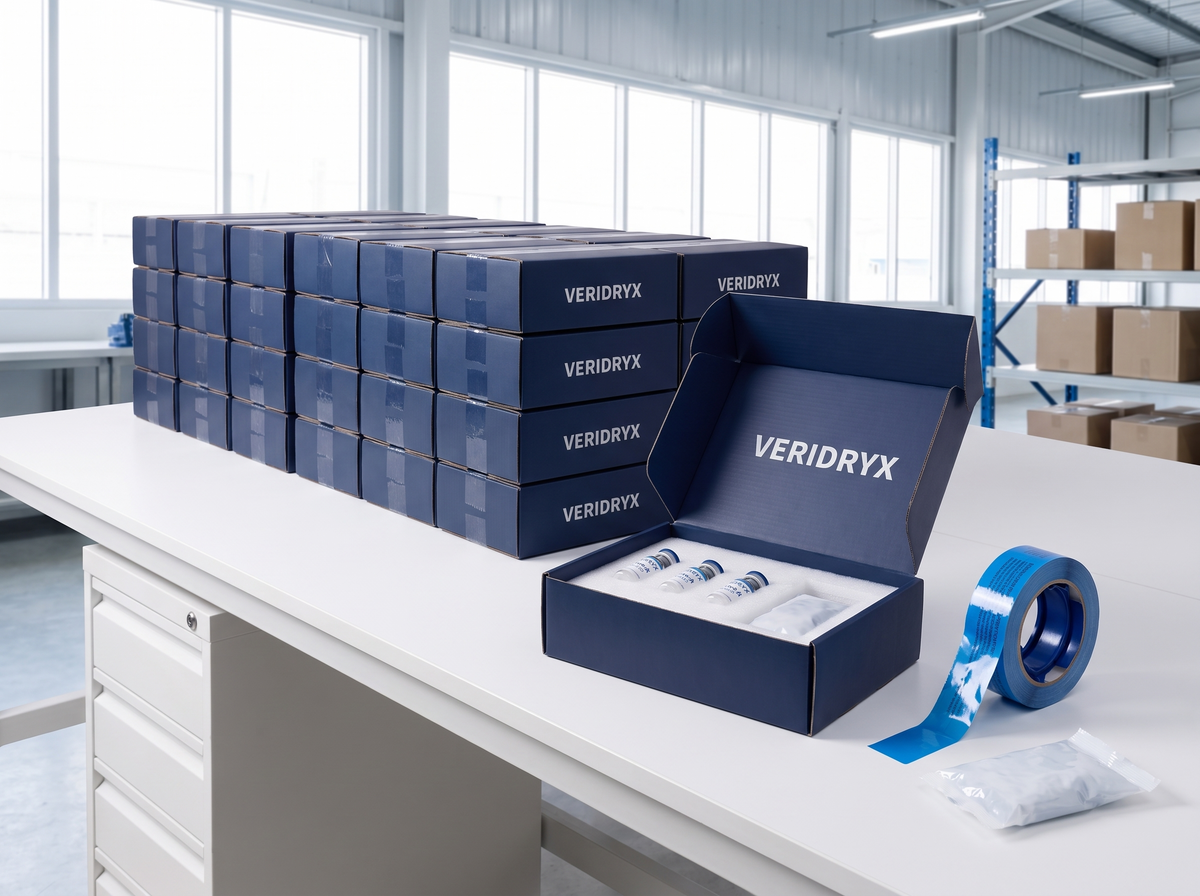
Receiving temperature-sensitive shipments is a short task that has a long-lasting effect on data quality: if a reagent warmed or froze in transit and nobody noticed, every result generated with it carries that unknown. This checklist covers preparing for a delivery, inspecting the package, reading temperature indicators, logging receipt, quarantine and storage, and documenting an excursion.
Before the shipment arrives
- Know what is coming. Share expected delivery dates with whoever receives packages, and flag cold-chain items so they are not left in a mailroom.
- Name a receiver and a backup. Someone trained in the receipt procedure should be available on the delivery day.
- Check storage capacity. Confirm there is space in the right refrigerator or freezer, and that the unit's temperature monitoring is working.
- Plan for dry ice. Solid carbon dioxide (UN1845) sublimates to CO2 gas. Open dry-ice shippers in well-ventilated areas, use insulated cryogenic gloves and eye protection, and never place dry ice in a sealed airtight container. Ask EHS before storing dry ice in cold rooms or other enclosed spaces.
Inspecting the outer package
| Check | What to look for | If there is a problem |
|---|---|---|
| Outer carton | Crushing, punctures, water damage, open seams | Photograph before opening; note it on the carrier's delivery record if possible |
| Labels | Correct consignee, orientation arrows, dry ice label and net quantity where applicable | Record any discrepancy |
| Tamper evidence | Intact tape or seals | Photograph and record; do not discard packaging |
| Coolant | Gel packs still cold or frozen as expected; dry ice still present | Record the condition; check indicators and logger data |
| Timing | Delivery date and time versus the shipper's stated duration | Note any delay reported by tracking |
Reading temperature indicators and data loggers
Common indicator types
- Irreversible threshold indicators: change color or show a mark once a set temperature has been exceeded, sometimes only after a minimum exposure time.
- Freeze indicators: show when the contents have dropped below a threshold, which matters for materials that must not freeze.
- Electronic data loggers: record time-stamped temperature readings for the whole trip and can be downloaded or read through a display or app.
How to read them
- Confirm the indicator was activated, if it needs activation, and read it before removing the contents.
- Record the indicator state in the receipt log, and photograph it if it shows an alarm.
- Stop or download the logger according to the manufacturer's instructions and save the file with the receipt record. Do not reset or reuse it until the data are saved.
- Compare the readings with the shipping and storage conditions stated by the supplier.
Ambient-shipped materials
Some lyophilized materials are shipped without refrigerant because dry solids are generally more tolerant of short-term temperature variation than solutions. Follow the shipping and storage conditions stated on the label and product documentation, and move the material to its long-term storage condition promptly. See storage and stability of lyophilized peptides for background.
Logging receipt of temperature-sensitive shipments
A receipt record turns a delivery into traceable inventory. A simple log, paper or electronic, should capture:
- Date and time received, and the name of the person receiving.
- Carrier, tracking number and purchase order number.
- Product identifier, lot number, container count and quantity.
- Package condition and coolant condition on arrival.
- Indicator status and logger file reference.
- Documents received and checked: packing slip, certificate of analysis, SDS.
- Storage location and the time the material was placed there.
- Status: released for use or quarantined, with initials.
Check that the lot number on each vial matches the packing slip and the certificate of analysis. Our article on lot traceability explains why that match matters, and ALCOA+ data integrity covers how to keep entries attributable, legible and contemporaneous.
Quarantine and moving to storage
- Store at the required condition. Put quarantined material in the correct refrigerator or freezer, in a labeled bin or shelf that separates it from released stock.
- Use clear status labels. "Quarantine – do not use" and "Released" labels, with date and initials, avoid accidental use.
- Keep containers sealed. Do not open vials at receipt unless your procedure requires it. When material is later used, let sealed containers reach room temperature before opening.
- Consider the storage unit. Some labs avoid auto-defrost freezers for long-term storage of sensitive materials because of periodic warming during defrost. Continuous monitoring with alarms helps show that storage conditions were maintained.
- Release deliberately. Move material from quarantine to released status only after the receipt checks are complete and recorded.
Documenting a temperature excursion
An excursion is any period outside the stated shipping or storage range. It does not automatically make material unusable, but it does require evaluation and a record.
- Quarantine the material at its required storage condition.
- Record the facts: indicator state, logger data, arrival time, coolant condition and photographs. Avoid speculation in the record.
- Preserve evidence: keep the shipper, indicator and logger until the event is closed.
- Notify the supplier with the order number, lot number and data. Suppliers can often advise based on what they know about the product.
- Evaluate: consider the size and duration of the excursion and any available stability information. Some labs perform confirmatory checks, such as visual inspection of the cake (see lyophilized cake appearance) or an HPLC purity check.
- Decide and record disposition (release, return, or discard through your waste procedures) with the reason, the decision-maker and the date.
Frequently asked questions
What counts as a temperature excursion?
Any time outside the shipping or storage range stated by the supplier or your SOP. An excursion triggers evaluation; it is not automatically a rejection.
Can quarantined material go into the freezer?
Yes. Quarantine describes status, so store the material at its required condition, labeled and separated from released stock.
What should I do if the dry ice is gone on arrival?
Record the observation, check any indicator or logger, quarantine the material at the correct temperature and contact the supplier with the lot number.
How long should logger data be kept?
Follow your lab's record retention policy. A common practice is to keep shipment records at least as long as the material, or data generated with it, is in use.
Disclaimer. This article is for research and educational purposes only. It describes laboratory and analytical practice and is not medical advice. It contains no dosing, administration or human-use guidance. Veridryx products are sold for laboratory research use only and are not for human or veterinary use.
References
- USP General Chapter <1079> Risks and Mitigation Strategies for the Storage and Transportation of Finished Drug Products.
- US Department of Transportation, 49 CFR 173.217, Carbon dioxide, solid (dry ice).
- IATA Dangerous Goods Regulations (dry ice, UN1845).
- National Research Council, Prudent Practices in the Laboratory: Handling and Management of Chemical Hazards (2011).